




About Daejeon
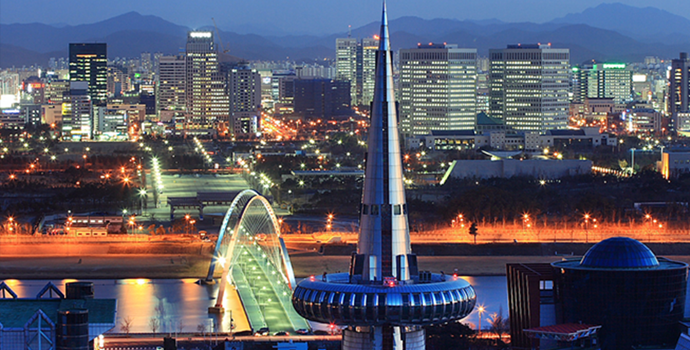
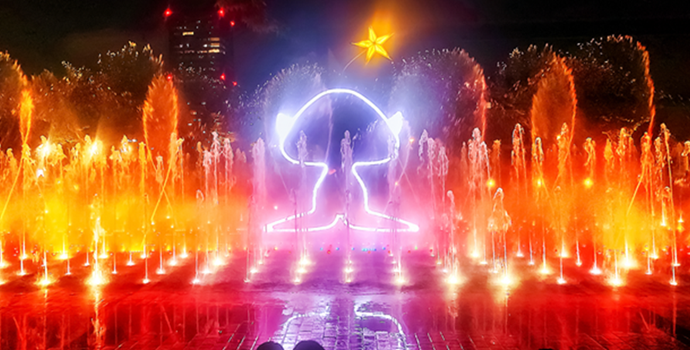
Daejeon is not only Korea’s leading city of science and innovation but also an attractive travel destination. The city blends cutting-edge research hubs with rich cultural spaces, vibrant arts districts, hot springs, and expansive urban parks. Surrounded by mountains and rivers, Daejeon offers a pleasant cityscape where business, culture, and nature come together, making it an ideal destination for both business travelers and tourists.
Gyejoksan Red Clay Trail (계족산 황톳길)

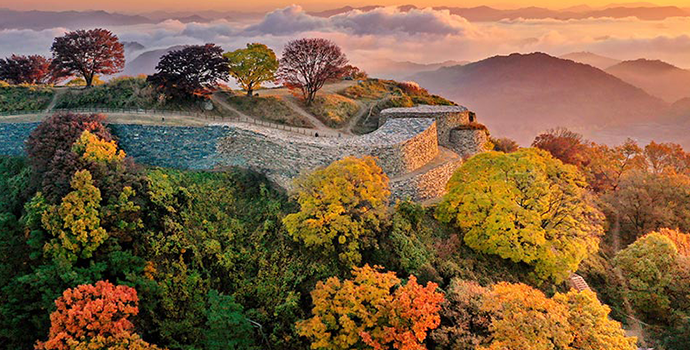
The Gyejoksan Red Clay Trail is a unique forest path covered with natural red clay, where visitors can enjoy barefoot walking from spring to autumn. Walking on the soft clay provides a gentle massage effect while allowing visitors to relax and experience forest bathing in a peaceful natural setting.
Jangtaesan Recreational Forest (장태산 자연휴양림)
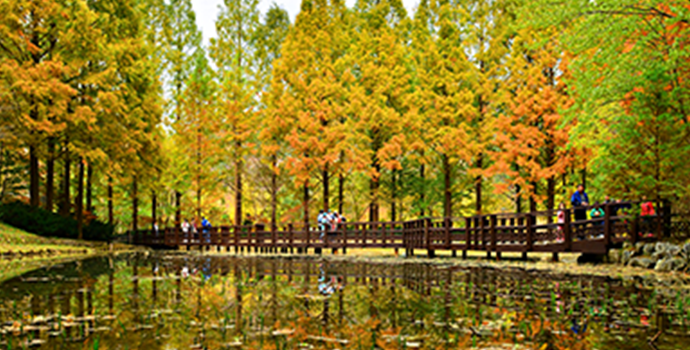
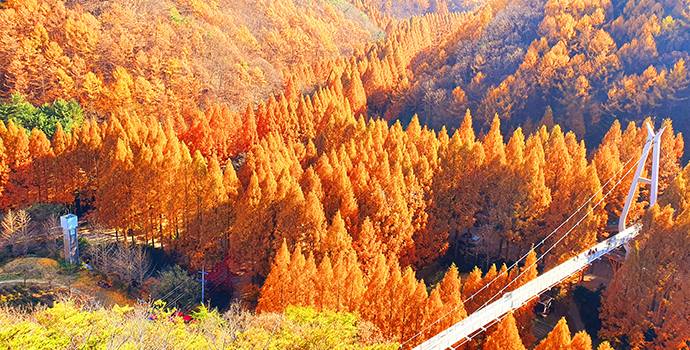
Jangtaesan Recreational Forest is famous for its towering metasequoia trees and scenic woodland views. Visitors can enjoy various facilities, including an ecological pond, a botanical garden, and a forest adventure area.
The highlight is the Forest Adventure, featuring the Skyway, an elevated walkway through the metasequoia forest, and the Sky Tower, which offers sweeping views of the forest. Guided forest experience programs are available for both groups and families, and accommodations such as forest lodges make it an ideal place to stay overnight and enjoy nature.
Daejeon Culture & Arts Complex (대전문화예술단지)
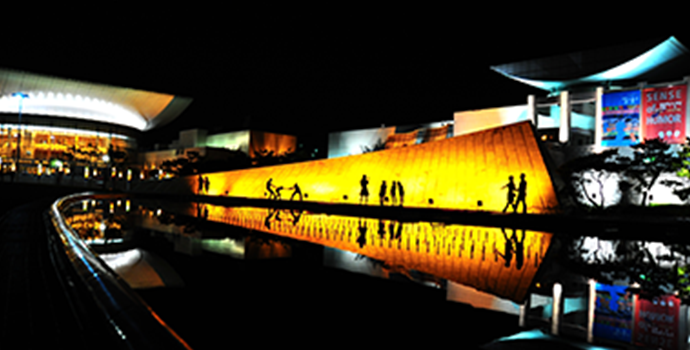
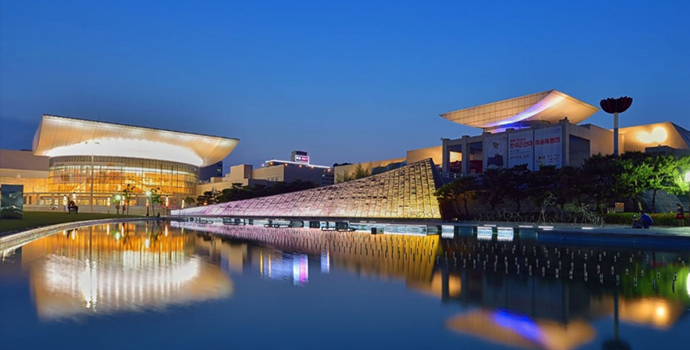
It is a cultural belt area that connects Daejeon Arts Center, Daejeon Museum of Art, and Lee Ungno Museum. As night falls and the lights come on, the area transforms into a massive work of art, with elegant and grand architecture illuminated in warm golden light, creating a truly breathtaking scene.
Uam Historical Park(우암사적공원)
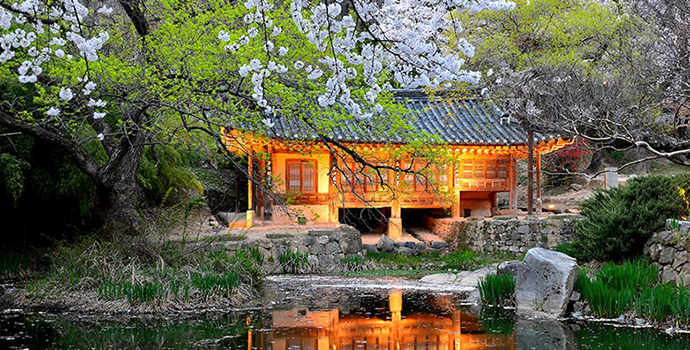
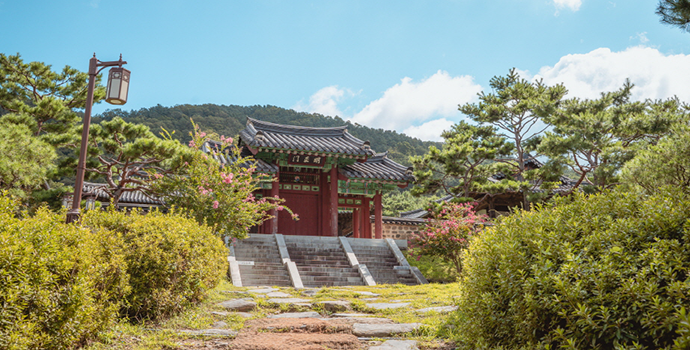
Uam Historical Park is a heritage park that preserves historical sites and cultural remains within a tranquil natural setting. The park offers walking paths and open spaces where visitors can explore local history while enjoying a peaceful atmosphere, making it a meaningful destination for both learning and relaxation.
Daejeon O-World (오월드)
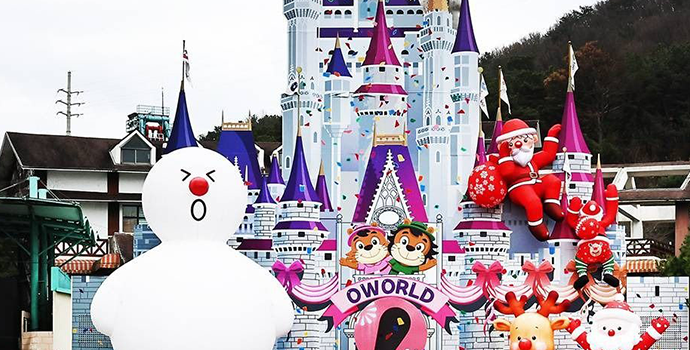
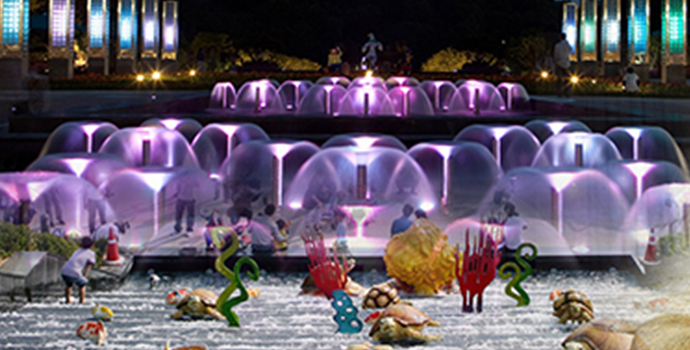
Daejeon O-World is a large-scale comprehensive theme park where nature thrives in the heart of the city. As the largest theme park in the central and southern regions of Korea, it combines Zoo Land, Flower Land, Joy Land, and Bird Land into one destination, making it an ideal attraction for visitors of all ages and families.
Daedong Sky Park (대동하늘공원)
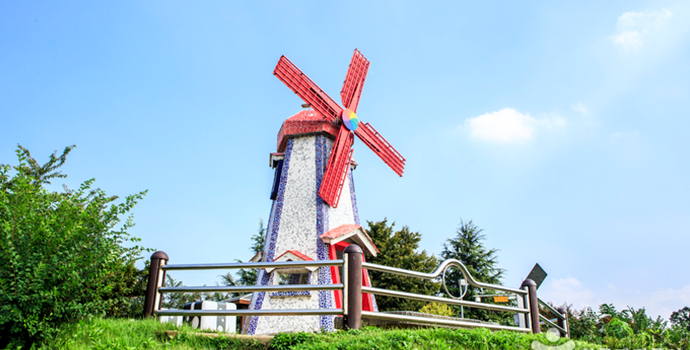
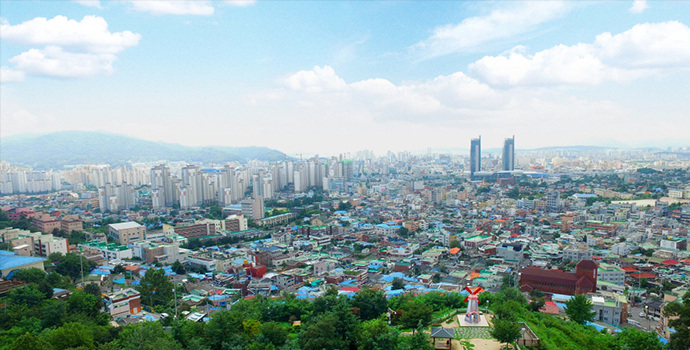
Daedong Sky Park was transformed into a vibrant mural village after being selected for the urban regeneration project known as the “Rainbow Project” in 2008. Through this initiative, colorful wall paintings and artistic installations were created throughout the neighborhood. At the top of the hill, an exotic windmill observatory offers visitors a stunning panoramic view of Daejeon’s cityscape, especially beautiful at night.
Root Park (Ppuri Park, 뿌리공원)
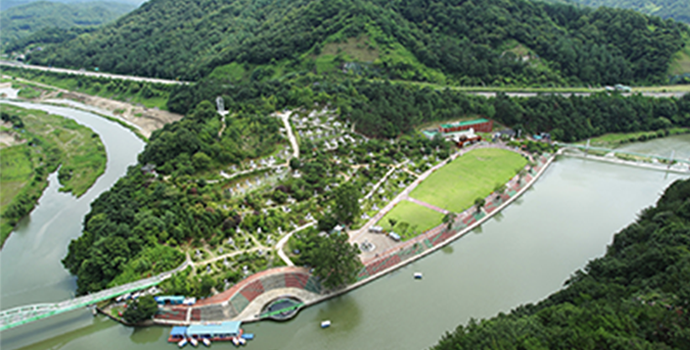
Root Park is Korea’s only theme park dedicated to the value of filial piety. The park features sculptures representing 244 Korean family names, along with displays explaining their origins. Visitors can also explore the Genealogy Museum, which showcases the structure, history, and traditions of Korean family lineages. The park includes riverside stages, lawns for events, observation decks, forest bathing areas, and a campsite nestled among pine trees. At night, scenic lighting such as the Milky Way Tunnel adds to its charm.
Expo Science Park (엑스포과학공원)
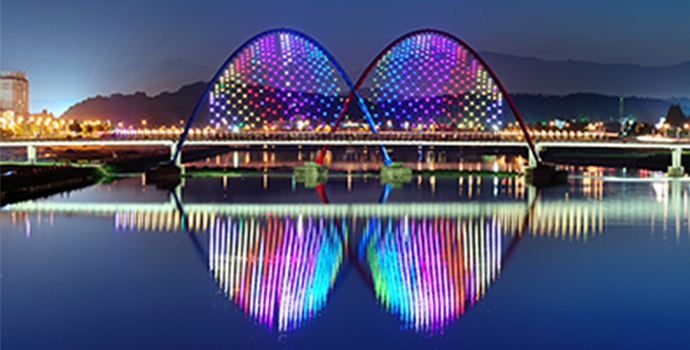
Expo Science Park is a symbolic landmark of Daejeon, Korea’s science city, and the former site of the 1993 Daejeon World Expo. The Hanbit Tower, the iconic structure of the Expo, has been transformed into a modern attraction featuring media façade shows and musical fountain performances, making it a new highlight of Daejeon tourism.
Hanbat Arboretum (한밭수목원)
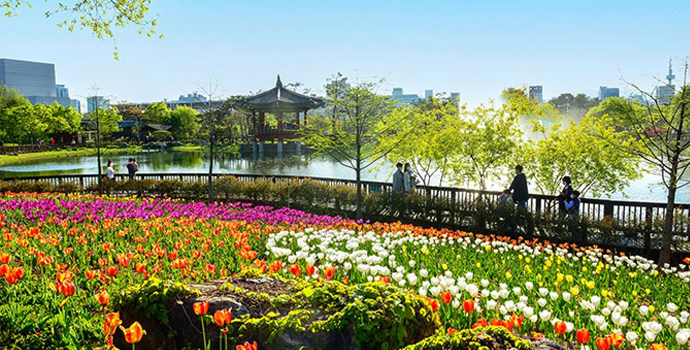
Hanbat Arboretum is the largest urban artificial arboretum in Korea. It serves as a space for conserving plant genetic resources, an educational venue for youth nature programs, and a peaceful retreat for citizens. The arboretum consists of the East Garden, West Garden, and a Tropical Plant House, and visitors can participate in guided forest interpretation programs by reservation.
Euneungjeongi Culture Street (으능정이 문화의 거리)
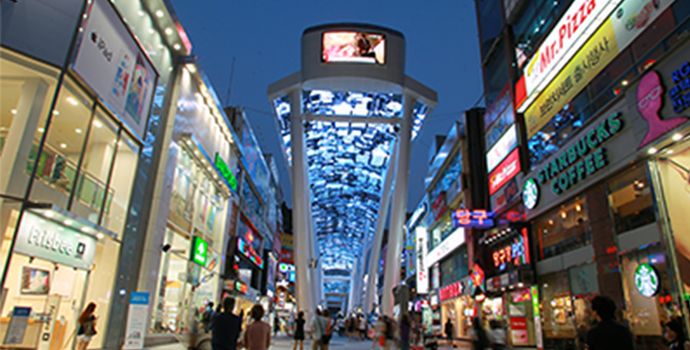
Euneungjeongi Culture Street is home to more than 150 businesses related to culture and the arts and hosts a wide range of festivals, including the Euneungjeongi Festival, the Youth Mime Festival, and the Culture Street Arts Festival. Sky Road, which opened in 2013, features a massive LED canopy screen and media hub that present a variety of content blending entertainment with public art, making it one of Daejeon’s most iconic and popular tourist attractions.
Sungsimdang (성심당)
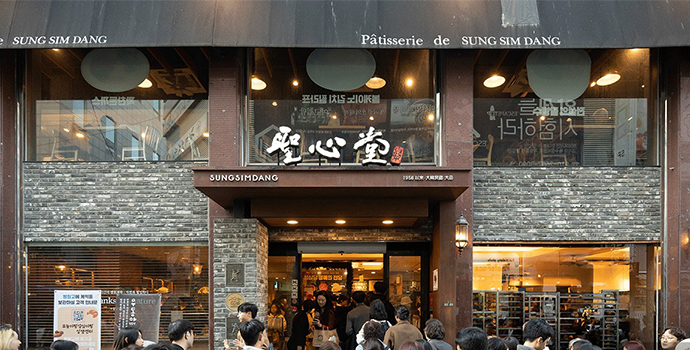

Sungsimdang is a famous bakery in Korea, ranking first in sales among non-franchised bakeries nationwide and widely recognized as one of the country’s three major bakeries. Founded in 1956 as a small shop selling steamed buns in front of Daejeon Station, it has grown into an iconic bakery representing both Daejeon and Korean baked goods. Known for its handmade products made with high-quality ingredients, Sungsimdang offers nearly 400 varieties of baked goods, including breads produced through a slow-bread process with a 16-hour fermentation. It has also been introduced in the Michelin Guide.
 For more information about Daejeon, please visit the links below.
 Early Bird Registration
 Abstract Submission